New council strategy sets out a plan to help communities, places and services adapt to a changing climate in Westmorland and Furness.
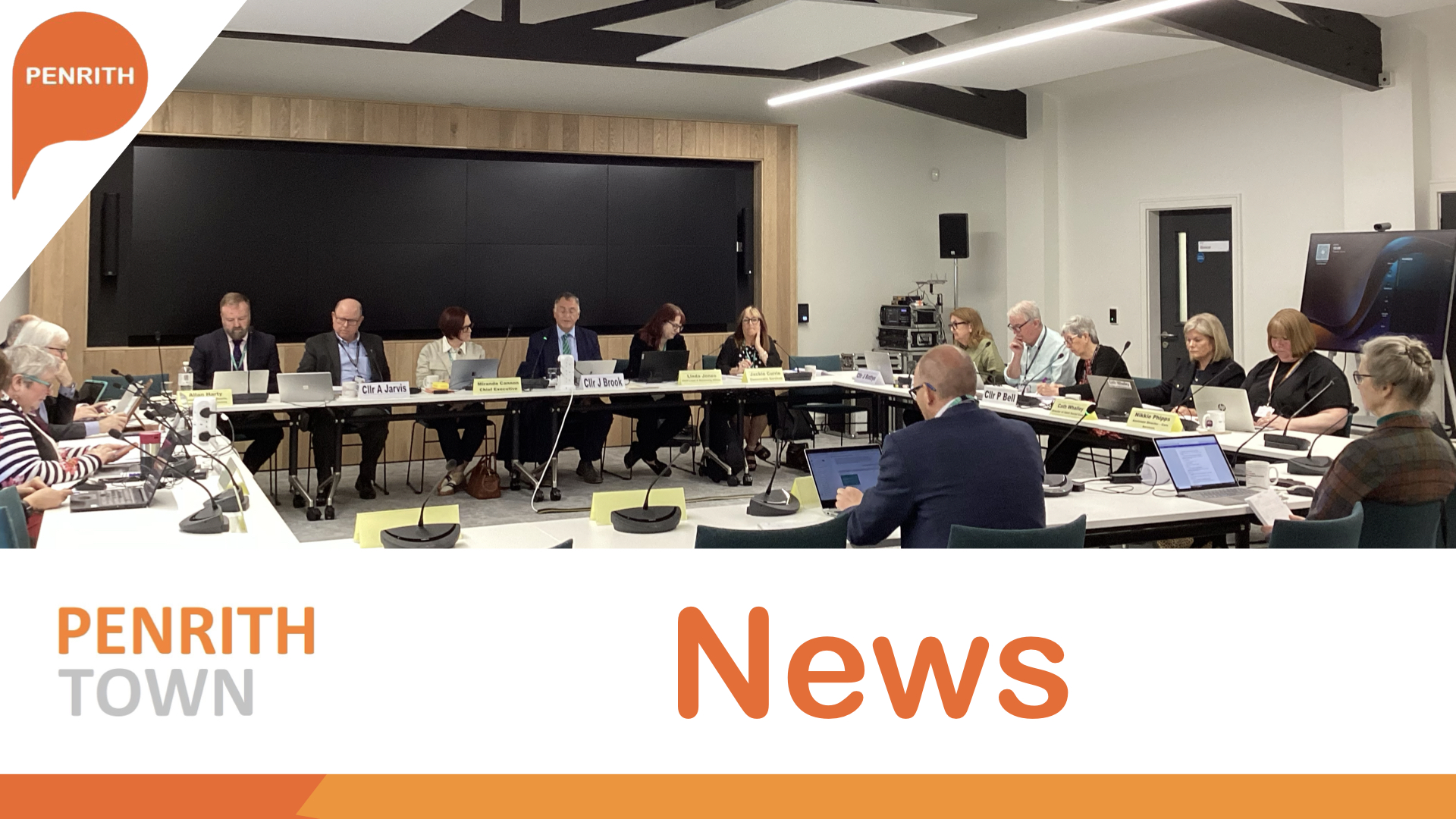
At a meeting of Cabinet this week (Tuesday 21 April),
members unanimously agreed a Climate Adaptation Plan which affirms the
council's commitment to strengthening climate resilience across Westmorland and
Furness.
This latest strategy marks the third pillar of the Council's
climate and nature programme of work, following the publication of its Climate
Change Action Plan and Nature Strategy. Together, these strategies form the
Council's response to the climate and biodiversity crises first declared by the
Westmorland and Furness Shadow Authority on 28 September 2022 and later adopted
by the Council.
The document sets out how communities, infrastructure and
the natural environment can be better prepared for and protected from the
impacts we are already experiencing by the climate and biodiversity crises.
While reducing emissions remains essential, the Council highlights that
mitigation alone cannot protect communities from the increasingly intense
weather events already being experienced in the area.
Councillor Giles Archibald, Westmorland and Furness
Council's Cabinet Member for Climate, Biodiversity and Environmental Services,
said:
"Climate change is already affecting our residents, our
landscape and our infrastructure. This strategy marks a significant step in the
council's long term commitment to a safer, more resilient and climate ready
future for Westmorland and Furness.
"It's about preparing responsibly for the challenges we
know are coming, while supporting communities to become more resilient and
better able to cope with future disruption.
"It provides a useful, evidence based starting point to
support future investment and outlines the initial actions that can help
improve resilience for people, places and services across Westmorland and
Furness. Adaptation is essential, and this strategy is an important step
forward in better understanding the changes ahead and how everyone might
respond."
The Strategy has been informed by the Cumbria Climate Change
Risk Analysis, commissioned by Cumbria Innovative Flood Resilience (CiFR) and
delivered by Nottingham Trent University. The findings show that Cumbria is
likely to experience hotter and drier summers, milder and wetter winters, more
intense rainfall, strong winds and coastal erosion in the coming decades. The
strategy outlines how the Council will respond to these risks and support
communities to prepare for the changing climate.
Local authorities across the country are not yet resourced
to deliver an area wide programme of climate adaptation. However, the Strategy
provides a foundation for Westmorland and Furness Council to secure future
investment, including through the Cumbria Combined Authority and national
Government. It sets out how local priorities align with regional and national
policy, strengthening the case for funding to deliver adaptation actions as
resources become available.
Community conversations held in December and January showed
broad support for the Council's approach, particularly around strengthening
community resilience, with residents and groups keen to help shape local
actions. The Strategy will now be used across all departments of the Council to
embed climate resilience into services, operations, physical assets, local
communities, businesses and the natural environment.
The Council will also work closely with the Cumbria Combined
Authority as it develops a county wide resilience strategy, supported by
funding from the Local Resilience Forum Trailblazers programme.


 Then select "Add to Home Screen"