Households and businesses in Penrith and the surrounding region could benefit from a series of measures announced in today's Budget, including £100 energy payments, relief on heating oil imports, a continued freeze on fuel duty and changes to business rates aimed at supporting high street shops, pubs and restaurants.
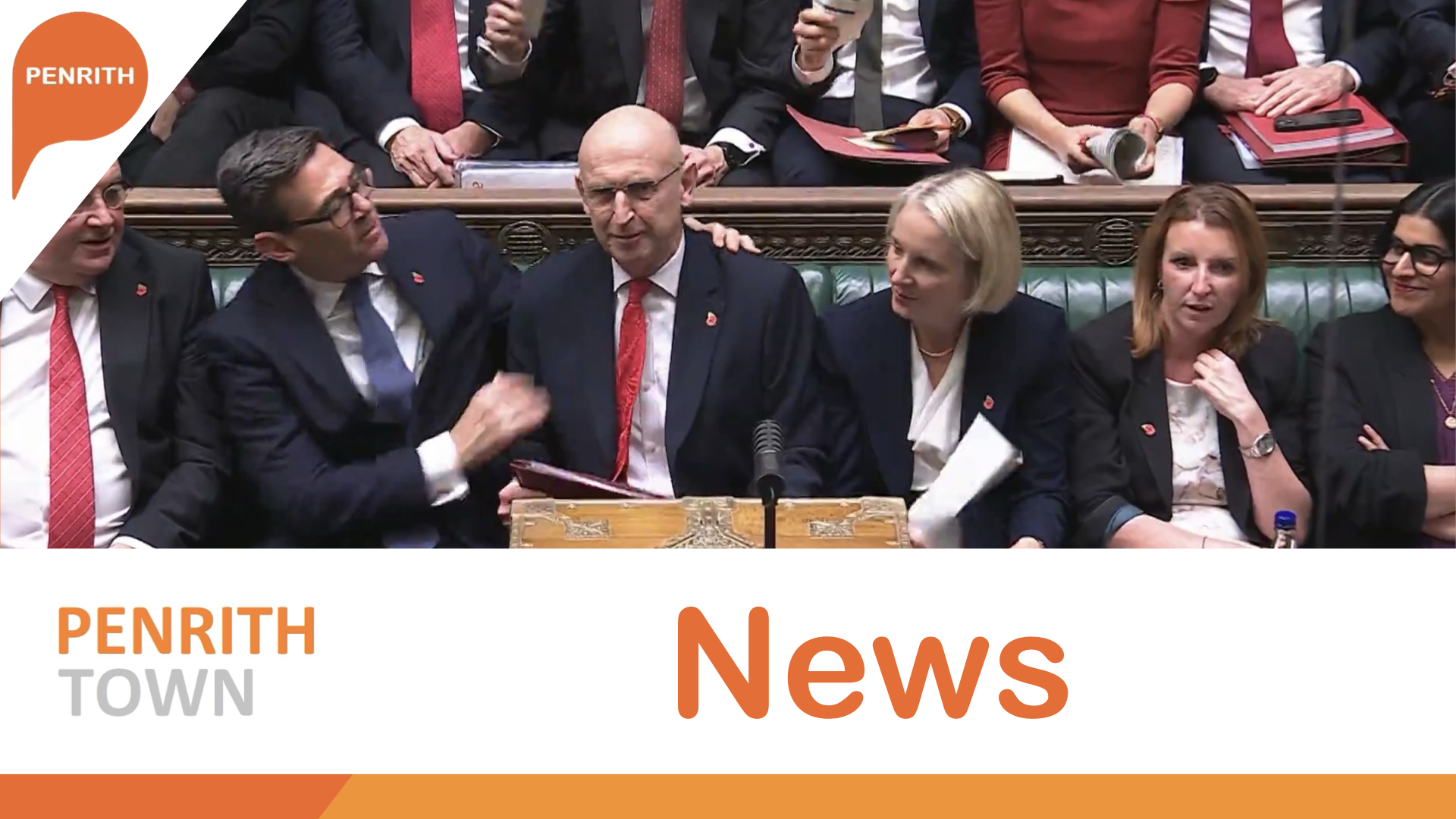
Chancellor John Healey delivered his first Budget in the House of Commons on Wednesday (28 October), describing it as a Budget "for the working people", with measures intended to ease the cost of living while encouraging investment and economic growth.
For households, the announcements include help with energy bills, changes to savings and pensions, and an increase in the minimum wage. Local businesses could benefit from business rates relief, although employers will also face higher wage bills from April.
For rural communities where many homes rely on heating oil and cars remain essential for everyday travel, the energy and fuel duty announcements could be particularly significant.
The Budget also sets out changes to housing, support for carers, taxation and greater financial powers for regional mayors, including Cumbria's first directly elected mayor, who is due to be elected in May 2027.
While the Chancellor has highlighted measures intended to ease financial pressures, the Budget also includes tax increases and changes that could leave some households and businesses paying more.
Here is a breakdown of the main announcements and what they could mean for Penrith and the wider Eden Valley.
£100 energy payment: Around 20 million households in England living in council tax bands A to D will receive a £100 payment directly into their bank accounts from January 2027. The £2.6 billion scheme will be funded through higher taxes on banks.
4% heating oil tariff removed: The government will suspend the 4% import tariff on kerosene used for domestic heating oil from 26 November 2026 until 31 December 2028. The removal of the tariff could reduce heating oil costs, although it does not guarantee a 4% reduction in the price paid by households.
Electricity VAT: The temporary reduction of VAT on domestic electricity to zero will be extended until July 2027, with the Treasury estimating an annual saving of around £50 on the typical household energy bill.
Gas standing charges: The government plans to remove domestic gas standing charges by the end of 2027, or as soon as possible afterwards. The costs will instead be incorporated into the unit price of gas. The Treasury estimates that around 60% of households could save approximately £45 annually, although those using more gas may see less benefit.
Hydrogen levy: A proposed levy to fund hydrogen projects will not be introduced on household energy bills, with the funding instead coming from general taxation.
Energy debt support: Additional help is planned for households struggling with energy debt, including targeted measures to help people manage outstanding energy bills.
Additional household energy support: A further £100 million will be provided to English local authorities to help households facing particular difficulties with energy costs, including some living in council tax bands above D.
The heating oil announcement is particularly relevant to households in villages surrounding Penrith and throughout the Eden Valley, where many properties are not connected to the mains gas network.
However, the suspension of the import tariff does not guarantee an equivalent reduction in the price of a heating oil delivery. Savings will depend on wholesale prices, suppliers and how much of the tariff reduction is passed on to customers.
Fuel duty frozen: The existing 5p-per-litre reduction in petrol and diesel duty will remain in place until 30 June 2027.
Fuel duty increase from July: The government plans to reverse the temporary 5p reduction and introduce an inflation-related increase from 1 July 2027, meaning motorists could face higher fuel costs in the second half of next year.
Business mileage: The tax-free mileage allowance for the first 10,000 eligible business miles will increase to 55p per mile, with the higher mileage rate increasing to 35p per mile from April 2027.
Bus fares: The £2 cap on eligible single bus journeys outside London will be extended for another year from January 2027.
Electric vehicle charging: £100 million will be provided over two years to reduce costs at lower-powered public electric vehicle chargers, potentially saving some drivers without access to home charging around £150 annually.
The fuel duty freeze will be welcomed by motorists in Penrith and rural parts of Eden, where travelling by car is often essential for employment, shopping, medical appointments and accessing services.
However, the planned return of the 5p duty reduction from July next year means the relief is temporary, and motorists could face higher costs later in 2027.
For local businesses operating delivery vehicles and vans, the continued freeze could help contain transport costs in the short term.
Business rates threshold increased: The rateable value threshold for 100% Small Business Rate Relief for qualifying retail, hospitality and leisure properties will increase from £12,000 to £18,000 from April 2027.
Tapered business rates relief: The upper threshold for tapered relief will increase from £15,000 to £21,000, meaning qualifying businesses with rateable values between £18,000 and £21,000 could receive partial relief.
Thousands more businesses exempt: The government estimates that around 70,000 additional retail, hospitality and leisure businesses will pay no business rates under the changes.
Pubs and music venues: Eligible pubs, social clubs and all but the largest live music venues will receive business rates relief of 35% from April 2027, an increase from the existing 15% support.
Two-year business rates freeze: Qualifying retail, hospitality and leisure businesses will benefit from a real-terms freeze in business rates bills during 2027-28 and 2028-29.
Local business rates retention: The government wants all business rates revenue to be retained locally by the end of the decade.
Online marketplaces: Requirements for online platforms to collect VAT from sellers will be strengthened to improve tax compliance.
Business investment: Additional measures are intended to encourage investment and growth among British businesses.
For Penrith town centre, the changes could provide welcome relief for independent shops, cafés, restaurants and pubs.
Businesses on Middlegate, Devonshire Street, King Street and neighbouring streets could benefit depending on their rateable values and eligibility under the new arrangements.
The additional relief for pubs could also help local hospitality venues facing rising costs, with the Treasury estimating an average saving of more than £3,000 per pub next year.
However, some of those savings could be offset by increases in staffing and other operating costs.
National Living Wage: The minimum wage for workers aged 21 and over will increase by 3.9% to £13.21 per hour from April 2027.
Younger workers: The minimum wage for employees aged 18 to 20 will increase to £11.27 per hour.
Higher earnings: A full-time worker receiving the National Living Wage could earn approximately £910 more annually before tax.
Employer costs: Businesses employing minimum wage staff will face higher wage bills.
Self-employment trading allowance: The income tax trading allowance will increase from £1,000 to £3,000 from April 2027, potentially benefiting people earning smaller amounts from self-employment or side businesses.
Paid parental leave: New parental payment arrangements will extend support to self-employed fathers, partners and adopters from April 2029.
The wage increases could benefit people working in Penrith's retail, hospitality, care and service sectors.
The increase in the trading allowance could also benefit people running small businesses or earning additional income through occasional self-employed work.
However, local employers will need to absorb higher staffing costs at a time when many businesses are already dealing with increased energy bills, supplier prices and other expenses.
Food import tariffs: Tariffs will be suspended on 101 additional imported food products, including baked beans, chocolate, dried fruit and gherkins.
Household savings: The government estimates that the latest food tariff changes could reduce consumer costs nationally by between £120 million and £185 million annually.
Fertiliser imports: Tariffs on certain imported fertilisers will be suspended from November 2026 until December 2027.
Food prices: The government hopes the measures will help limit increases in supermarket prices.
The fertiliser measures could be of particular interest to farmers in the Eden Valley, although actual savings will depend on suppliers and wider market prices.
For shoppers in Penrith, the removal of food import tariffs may provide modest savings, but there is no guarantee that retailers will pass on the full reductions.
State Pension: Measures will protect pensioners whose only income is the State Pension from being brought into income tax solely because of increases to their pension.
Cash ISA allowance: Plans to reduce the annual cash ISA allowance from £20,000 to £12,000 have been abandoned. The limit will remain at £20,000.
Starter ISA: The government will work with the financial sector to create a new savings and investment product intended to encourage first-time investors.
Carer's Allowance: The current system, which can result in carers losing their entire allowance when earnings exceed the threshold, will be replaced by a tapered arrangement.
Carers' earnings: Under the proposed changes, payments will reduce by £1 for every additional £1 earned above the threshold rather than stopping immediately. The new system is planned for 2030-31.
Savings and property income tax: Tax rates on taxable savings and property income are set to rise by a further two percentage points from April 2027, increasing the tax burden for some savers and landlords.
The measures could provide additional financial security for pensioners and unpaid carers, although some changes will not take effect for several years.
The increases in tax on savings and property income could also affect residents receiving taxable interest or income from rental properties.
Affordable housing: An additional £1.5 billion will be provided for the government's social and affordable housing programme, with funding intended to deliver around 10,000 additional homes in England.
Your First Home scheme: A new £4.7 billion government-backed equity loan scheme will aim to help around 70,000 eligible first-time buyers purchase a property.
First-time buyer equity loans: Eligible buyers will be able to access a government equity loan of up to 20% of a qualifying property's value, with an initial five-year interest-free period.
First Time Buyer ISA: A new savings product will replace the Lifetime ISA for new applicants from April 2029. It will allow annual contributions of up to £4,000, with a 25% government bonus towards qualifying first-home purchases.
Brownfield development: Biodiversity requirements will be relaxed for certain brownfield developments to encourage housebuilding.
Social housing land: Qualifying sales of land to social housing providers will receive VAT relief.
For Penrith, where housing affordability and the availability of homes for local people remain important issues, the measures could provide additional opportunities for first-time buyers and housing providers.
However, their impact will depend on the availability and affordability of suitable properties in the town and surrounding area.
Business rates: From 2027, 20% of business rates revenue is expected to go to elected regional mayors.
Local retention: The government intends to move towards full local retention of business rates revenue by the end of the decade.
Income tax: From 2028, mayors will receive a share of income tax receipts under the government's devolution plans.
Tourist tax: From 2028, mayors and certain local authorities will have powers to introduce an overnight visitor levy.
Greater local control: Regional authorities will receive additional financial powers intended to support local investment and economic development.
These announcements could become particularly significant for Cumbria following the election of its first directly elected mayor in May 2027.
The proposed overnight visitor levy could have implications for the county's tourism industry, including accommodation providers in Penrith and the surrounding area.
However, no decision has been announced to introduce such a levy locally, and any future charge would require further decisions under the new powers.
Banking tax: The Bank Corporation Tax Surcharge will increase from 3% to 6% for a temporary 15-month period from January 2027, helping fund household support measures.
Business Asset Disposal Relief: The lifetime limit for qualifying gains will be reduced from £1 million to £500,000.
Founders' Relief: A new capital gains tax relief will provide a 10% rate on qualifying lifetime gains of up to £10 million for eligible company founders.
Online VAT collection: Online marketplaces will face tighter requirements to collect VAT from qualifying sellers.
Business investment: Further support is intended to encourage investment in British businesses.
Industrial electricity costs: From April 2027, the British Industrial Competitiveness Scheme will provide support for eligible electricity-intensive businesses, with potential electricity bill reductions of up to 25%.
The measures are intended to raise additional revenue while supporting investment and changing the tax arrangements applying to some business owners.
£432 million additional funding: The government has announced a further £432 million over 2027-28 and 2028-29 to help tackle rough sleeping in England.
Funding doubled: The additional investment brings the government's total commitment to tackling rough sleeping to £874 million.
Emergency accommodation: Funding will support accommodation, outreach services and practical assistance to help people move away from sleeping on the streets.
Christmas commitment: Prime Minister Andy Burnham has pledged that people sleeping rough should be offered a route off the streets or wider support before Christmas.
Longer-term support: The additional funding is intended to ensure assistance continues beyond this winter, rather than ending after the immediate emergency response.
The announcement builds on £442 million of funding already committed since July, with the government seeking to expand accommodation and support services.
For Penrith and the wider Eden area, the impact will depend on how the funding is distributed and what additional support becomes available through local authorities and homelessness services.
Defence spending: The government intends to increase defence spending to 3% of GDP by 2030 and 3.5% by 2035.
National security: Further investment is planned to strengthen Britain's defence capabilities.
Parental support: Paid parental leave arrangements will be extended to self-employed fathers and their partners.
High street investment: A wider programme will support the regeneration of high streets, including action on empty and neglected commercial properties.
For households in Penrith, the £100 energy payment, electricity VAT relief and continued freeze on fuel duty are among the measures most likely to provide financial help.
For people living in the surrounding villages and rural communities, the suspension of the 4% kerosene import tariff could offer some relief from heating oil costs, although the savings will depend on how prices change.
Independent shops, pubs and restaurants in Penrith town centre could benefit from changes to business rates, with qualifying smaller businesses potentially seeing their bills removed entirely.
The additional support for pubs and hospitality venues could also provide welcome relief for businesses facing rising operating costs, although employers will have to account for increases in the minimum wage.
Farmers may see some relief through changes to fertiliser import tariffs, and people who regularly travel by car for work could benefit from the fuel duty freeze and increased mileage allowance.
The increase in the self-employment trading allowance could help people earning modest amounts through small businesses or additional work, while the new first-time buyer measures may offer more opportunities for people hoping to purchase their first home.
The Budget also introduces longer-term changes to housing, pensions, savings and support for carers, although several of these measures will not take effect until 2027 or later.
The proposals for greater local control over business rates and new visitor levy powers could also have implications for Cumbria following the introduction of its elected mayor next year.


 Then select "Add to Home Screen"