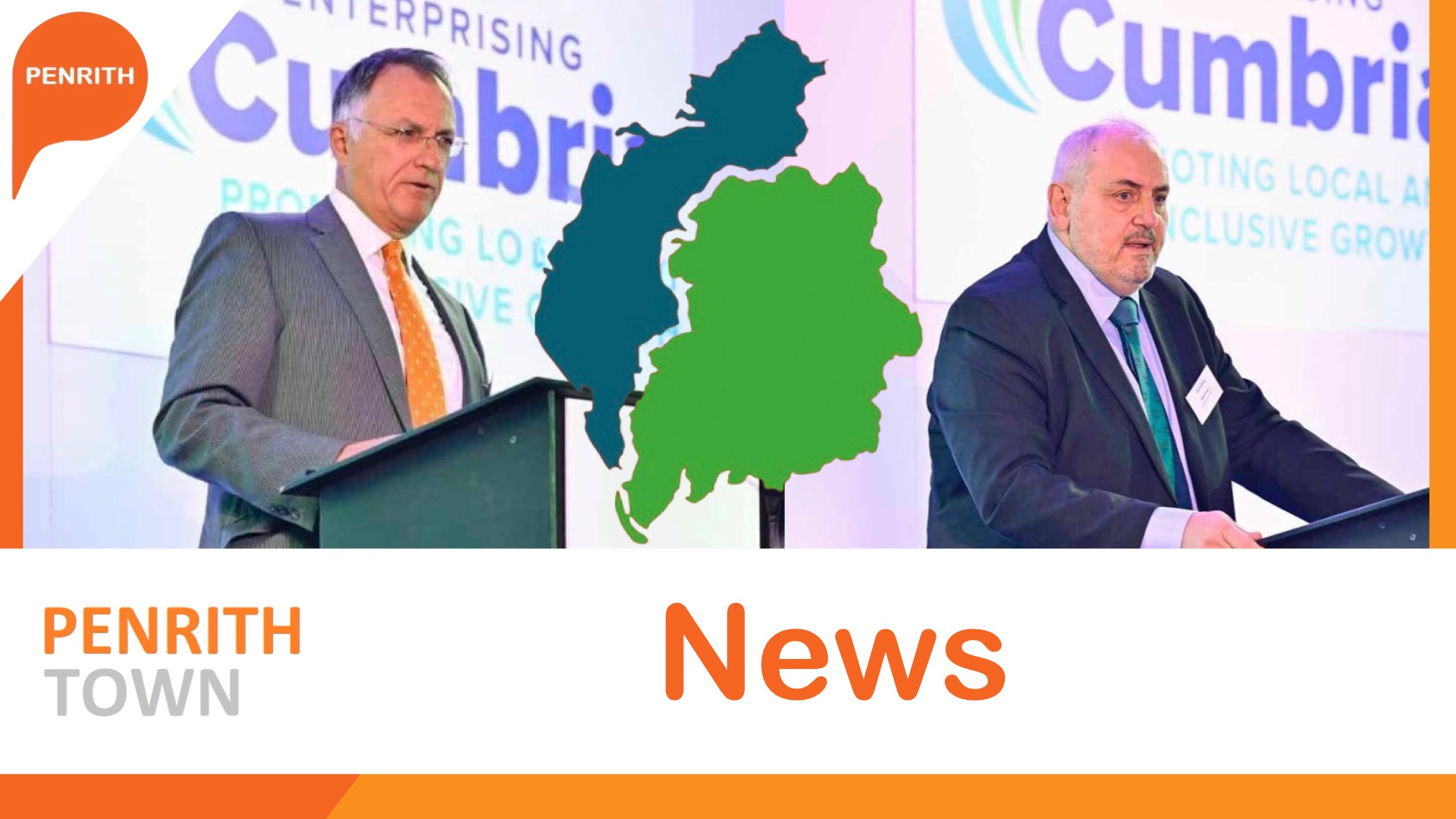
The inaugural meeting of the new Cumbria Combined Authority
will take place this week held at Redhills where the new authority will be based.
The Combined Authority board will initially be made up of
the Leader and Deputy Leader from both Westmorland and Furness Council and
Cumberland Council. They will run the authority and chair meetings until
Cumbria’s first elected mayor takes office following the mayoral election
scheduled for May 2027. Once elected, the mayor will take on the role of
leading the Combined Authority alongside the board members from the two unitary
councils.
Among the items expected to be discussed at the first
meeting are the appointment of key staffing roles for the new authority and the
setting of its initial budget.
The Combined Authority has been created as part of a
devolution agreement between Cumbria’s councils and the UK Government.
Devolution deals are designed to transfer certain decision-making powers and
funding from central government to regional bodies, allowing them to take a
more direct role in shaping local economic growth, transport, housing, skills
and investment priorities.
Under the agreement, the new authority will operate with a
£333 million, 30-year devolution deal, providing funding equivalent to around
£11 million per year. The authority will work alongside the two unitary
councils rather than replacing them, focusing primarily on strategic investment
and economic development across Cumbria.
From May, the Combined Authority will also absorb
Enterprising Cumbria, the organisation created in 2024 to replace the former
Local Enterprise Partnership (LEP), bringing responsibility for economic
development initiatives more directly under the new regional structure.
The meeting comes just over two weeks before the third
anniversary of the reorganisation of local government in Cumbria, which saw the
creation of the two unitary councils and the abolition of the former district
councils and Cumbria County Council.
While the devolution deal brings long-term funding, concerns
have already been raised about how inflation could affect its value over time.
The core element of the authority’s funding — its Investment Fund — will not be
indexed. From 2027–28 onwards it will remain fixed at £5.5 million revenue and
£5.5 million capital each year throughout the full 30 years of the agreement.
At current inflation rates of around three per cent per
year, the purchasing power of this funding is expected to decline significantly
over time. Over the 30-year period, its real value could fall to around 40 per
cent of its present-day level, effectively reducing the equivalent value of the
annual allocation to roughly £2.2 million each for revenue and capital.
This erosion in spending power is likely to have a long-term
impact on the Combined Authority’s ability to fund programmes during the later
years of the devolution deal. The authority hopes that additional funding
sources will become available to support projects in the future.
Once the Cumbria Mayor is elected in 2027, they will also
have the power to levy a mayoral precept on households across Cumbria through
council tax if they choose to do so.
The first meeting of the Cumbria Combined Authority will be held on Wednesday 18th March at 10.30am


 Then select "Add to Home Screen"